

The early stages of PhD life can feel like walking into a whirlwind—especially if, like me, you decided to pursue your research in an area completely different from your previous experience. The learning curve? Extremely steep. At times, it felt like I was trying to catch up with my own thoughts while juggling new techniques, papers, deadlines, and self-doubt.
After I shared a short reflection on thesis writing a while back, someone reached out and asked:
“How do you manage thesis writing alongside practical lab work and everything else in the early stages of a PhD?”
That question brought back so many memories—and also prompted this post. I’m sharing six tips I learned through my own PhD journey. These are the things I wish someone had told me when I was just starting out. They didn’t just help me survive; they helped me finish well.
1. Have an Updated Multi-Year Calendar
This one is a lifesaver.
Depending on your country or university, your PhD program could last anywhere from 3 to 5 years. During that time, you’ll likely face qualifying exams, rotations or fieldwork, seminar presentations, internship periods, progress reviews, and eventually—the mother of them all—writing and submitting your thesis.
Most of these milestones are non-negotiable, and the deadlines don’t shift to suit your pace. So, as early as possible, pull out a calendar that covers your entire program duration and mark out all the key dates. Include internal deadlines (e.g., report submissions, progress meetings), external deadlines (like conferences and grant applications), and personal commitments (e.g., family holidays, religious conventions, or major life events).
🗓️ Tool tip: Try Google Calendar or Notion for customizable multi-year planning.
If you’re married or have family responsibilities, share your calendar with your spouse or close loved ones. This kind of forward planning reduces anxiety and helps you manage expectations—both your own and your loved ones’.
2. Clearly Define Your Goals
Once you can see the “big picture” laid out in your calendar, it’s time to define your goals.
Ask yourself:
- How many research papers do I want to publish before graduation?
- What journals do I want to target?
- What new skills (technical or soft) do I want to develop?
- Are there specific conferences or workshops I don’t want to miss?
- How do I plan to gain industry experience or collaborations?
Then, make those goals SMART—Specific, Measurable, Achievable, Relevant, and Time-bound. Your goals don’t have to be grandiose; they just need to be clear. When your energy is low (and there will be such days), your goals will be your reminder of why you started.
Examples:
- Publish 2 papers by the end of Year 3.
- Present at one major international conference per year.
- Learn R or Python within the first 18 months.
- Finish data collection by end of Year 2.
Writing your goals down makes them real. Revisit and revise as you go.
3. Allocate Time for All the Moving Parts
PhD work is rarely just one thing. For many of us in the sciences, research means time in the lab—wet or dry—often with unpredictable experiments. But you’re also expected to stay updated with literature, write abstracts, apply for funding, give presentations, meet with your supervisory team, train junior colleagues, and possibly teach.
Oh—and rest. Let’s not forget rest. (Yes, that’s part of the PhD too.)
Early on, I made the mistake of thinking I could squeeze in those “other” things—like reading, writing, or mentoring—around my lab work. I quickly learned that doesn’t work. You have to plan time for these tasks weekly, just like you would for an experiment or meeting. Otherwise, they’ll fall through the cracks.
And please, take intentional breaks. Whether it’s watching your favorite show, journaling, hanging out with friends, or just going for a walk—step away from your thesis sometimes. You’ll return refreshed, often with clearer ideas than before.
A study in Nature highlighted that researchers with regular time off reported greater long-term productivity and creativity. Here’s how you can allot your time:
- 60% for experiments or core work
- 20% for writing and reading
- 10% for skill-building or collaboration
- 10% for rest and reflection
Plan each week to reflect these activities.
Remember: You can’t pour from an empty cup.
4. Start Early (Like, Really Early)
I know it sounds cliché, but this tip saved me.
From day one of my PhD, I created a Word document titled “My PhD Thesis.” I’m not even joking. I started with the easy stuff—the title page, dedication, acknowledgments, and so on. Those parts don’t change much, and just having the document open made me feel like I’d already started.
As I read papers and attended seminars, I began drafting my literature review—sometimes just bullet points, sometimes messy paragraphs. Nothing polished. But that early start helped me overcome the fear of the blank page later on.
You can’t edit a blank page, but you can always revise a rough one. So give yourself something to work with, even if it’s just a few lines per week.
5. Consider Joining a Journal Club
Staying current in your field is critical—but it can feel overwhelming. One thing that really helped me was joining a journal club. Ours met biweekly, and we’d take turns presenting recent papers. We discussed strengths and weaknesses, research methods, and potential implications for our own work.
Not only did it keep me up to date, but it sharpened my critical thinking and presentation skills. It also gave me a safe space to ask questions and bounce ideas around.
If your department doesn’t have one, you can start a small group with fellow students—or even run it virtually. Just pick one paper, meet online for 30 minutes, and talk through it. It builds confidence and community.
6. Take Advantage of Opportunities Whenever You Can
If something comes your way—a call to present your work, attend a workshop, or speak to non-scientists about your research—take it.
Some of my biggest growth moments came from the smallest “yeses.” Like the time I started sharing about my PhD journey on social media. At the time, there weren’t many people writing about what it was like to do a PhD in Africa, and I wanted to help change that. Writing about my experiences helped me refine my voice and boost my writing confidence—and that eventually fed into how I wrote my thesis.
You never know what a casual presentation or outreach event might spark. So even when it feels inconvenient, try to say yes to growth.
Final Thoughts
The early stages of a PhD are hard. There’s so much to learn, and it can feel like everyone else knows what they’re doing while you’re just trying to stay afloat.
But trust me—you’re doing better than you think.
With a bit of planning, a lot of grace, and the courage to start imperfectly, you’ll find your rhythm.
Looking back, I’m grateful I stuck with these habits. They didn’t just help me finish—they helped me finish well. My thesis was eventually selected as the Vice Chancellor’s Most Outstanding Thesis for my graduating year. But beyond the award, what I really treasure is the peace that came from knowing I gave it my best—right from the start.
If you’re currently doing a PhD, I’d love to hear:
What’s helping you right now? Or—if you’ve already completed yours—what advice would you give your younger self?
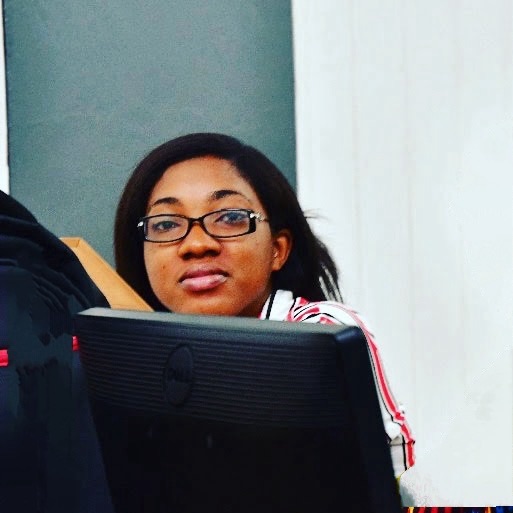
A throwback to the early days of my PhD. So much learning. So many questions. So much growth I didn’t even realize was happening.
Categories: My PhD Experience
 Pearl's Blog
Leave a comment